FOR BUYERS · SELECT CLIENTS · YOU'LL ALWAYS KNOW WHOSE SIDE I'M ON

Buying Here: What the Portals Won't Tell You

I'm a listing broker — most of my work is for sellers, and I'll never pretend otherwise. But I take select buyer clients, and if you're the kind of buyer who wants judgment instead of a door-opener, keep reading.

The Arrangement

How I Work With Buyers

I work with a limited number of buyers, and I choose them carefully.

Most are sellers who are also buying, past clients, or referrals — four generations of the same families, at this point. The rest are buyers who understand that buying a home is exciting, but it’s also a process that requires more than someone to unlock doors.

On my own listings, there’s no confusion possible: I represent the seller, I’ll tell you that in the first conversation, and I don’t practice dual agency. You’ll know exactly whose side I’m on before you know the square footage.

For everything else — homes listed by other agents, new construction, land — I take on buyer clients when the fit is right. The video explains what “the right fit” means, plainly. If it sounds like you, we should talk.

Start with what I currently have listed.

Five minutes. Watch it before you hire any agent — including me. Most buyers never ask these questions, and it costs them.

Read the transcript

I wanna talk to buyers for a minute because one of the things that gets told to me is, “Jessica, we were told you don’t work with buyers. You’re a listing agent only.” That’s not exactly true. What is true is that I’m selective about which buyers I take on, and there’s a reason for that.

The buyers I work with usually fall into one of three groups. First, my own sellers: people I just sold a home for who now need to buy their next one. We’ve already been through the fire together. They know how I work and what I bring to the table. I know what they need and I get it for them. Second, referrals from past clients: their kids, their grandkids, and now, for the first time, their great-grandkids; four generations of the same families trusting me with the biggest purchases of their lives. I must be getting old. Third, buyers who call me off a sign or an ad on a home I have listed. They want that house, and we go from there.

What do all three groups have in common? Trust was already there before the first conversation, or it got built fast because they came in serious.

Now, let me tell you what I see with most buyers out there. Most buyers already know someone with a real estate license: a friend, a cousin, someone from church. And there’s nothing wrong with that. But what I notice is, they almost never stop and ask what that person actually brings to the table in terms of representation and services offered. They just want doors opened. They want the excitement of walking through homes. They want to find the one. And I get it; buying a home is exciting. It should be exciting. But excitement is not the whole picture. It’s not even half of it.

Here are the questions most buyers never ask: What is my agent actually doing to protect me through the most expensive purchase of my life? How will they help me get where I want to go? How will they make it easier for me every step of the way? Not, are they nice? Not, are they responsive? Not, can they open the door?

What are they doing to protect you from writing an offer that will be immediately dismissed because it’s too one-sided, from inheriting a problem the seller knew about, from a contract clause that benefits the other side, from deadlines you may not immediately remember, from walking into a deal you’ll regret a year from now?

Sellers ask me the tough questions every day. They want to know I can handle problems and prevent the ones I can see coming, and that is exactly what I do. Buyers? Most of them never ask. They’re too busy falling in love with the farmhouse sink in the kitchen.

So here’s what I’ll tell you plainly: If you’re a buyer who’s never thought about those questions, I’m probably not your agent, not because you aren’t a good person, I’m sure you are, but because the relationship I have with my buyers is built on the assumption that you want more than a tour guide.

The buyers I work with want someone who’s going to slow them down when slowing down is the right call, push back on a price when the data suggests pushback, advise them when they’re being unrealistic in their expectations, yes, I will tell you that, and walk you away from a house you’re emotionally attached to when the inspection report says walk away. I’ll play Kenny Rogers and tell you when to hold, when to fold, when to walk away, and even when to run, because I’m not looking for a quick sale and a quick paycheck. I’m looking for a long-term relationship built on trust, built on respect for who I am and for what I do for you. That’s how I get your referrals. That’s how I built four generations of clients, and that’s why I have a career when most agents are out of the business within the first 24 months. But I’m still here, 24 years later.

So if you’re the kind of buyer who’s starting to ask the harder questions, let’s talk. You can reach me through my website at jessicahorton.com, and I will show you the difference between just opening doors and opening a world of opportunity and peace of mind. I’m Jessica Horton, 24 years serving Pike County and Middle Georgia, independent by design.

Due Diligence

What Buying Rural Property Actually Requires

Rural property in Pike County comes with questions no portal interface can surface.

Zillow can show you the kitchen. It cannot tell you where the septic tank is, whether the well produces enough water for a family of four, or whether the neighbor’s driveway crosses your land with or without a recorded easement. Those questions decide whether you bought a home or a problem.

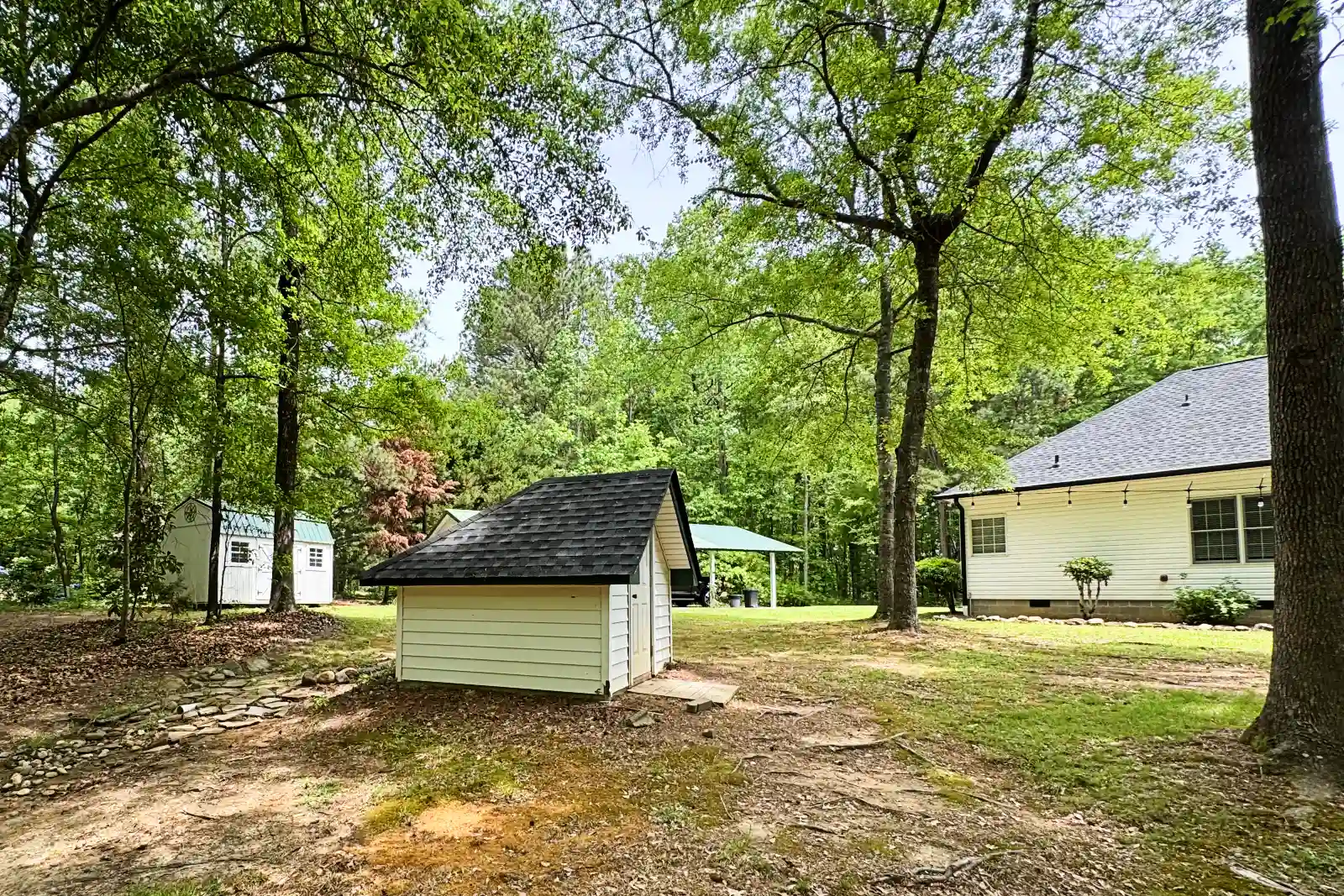
Well house, outbuildings, and wooded lot line behind a rural home in Pike County, Georgia

Wells and Septic

Most of Pike County is on well and septic, not city utilities. A well needs a flow test and a water quality test — not a glance at the pump house. A septic system needs an inspection and, ideally, the county’s records on where it actually sits, because “somewhere in the back yard” is not a location. Replacement costs on either one run five figures. Finding that out after closing is the expensive version of finding it out.

Easements and Access

Out here, the road to your front door sometimes crosses somebody else’s land. Sometimes there’s a recorded easement. Sometimes there’s a handshake from 1987. One of those survives a property sale; the other survives until the neighbor’s kids inherit. A title search catches most of this — a survey catches the rest.

Surveys and Acreage

Acreage listings are routinely off. Fence lines are not property lines, and “about 12 acres” can be 9.4 when the survey comes back. If you’re paying by the acre — and on land, you are — a current survey isn’t a formality, it’s the price check. The same goes for flood zones and soil quality if you’re planning to build.

None of this is meant to scare you off rural property. It’s the best buying in Middle Georgia. It just rewards buyers who do the work — or who hire someone who’s been doing it since 2002.

The Difference

What Working With Me Gets You

Negotiation

Negotiation is where I earn it. Twenty-four years of comps in this county means I know what a house is worth before the seller’s agent finishes the sentence — and I know when a price has room in it and when it doesn’t. My buyers don’t overpay because they liked the porch.

Systems

Systems matter more than people think. Inspections ordered in the right sequence, deadlines tracked, financing contingencies that actually protect you — the unglamorous machinery that keeps a contract from dying at the closing table.

The Moving Truck

And yes — the moving truck. My clients get use of it, because I’d rather solve a real problem than send a closing gift candle. A small thing that tells you how I think about the whole arrangement: useful beats decorative.

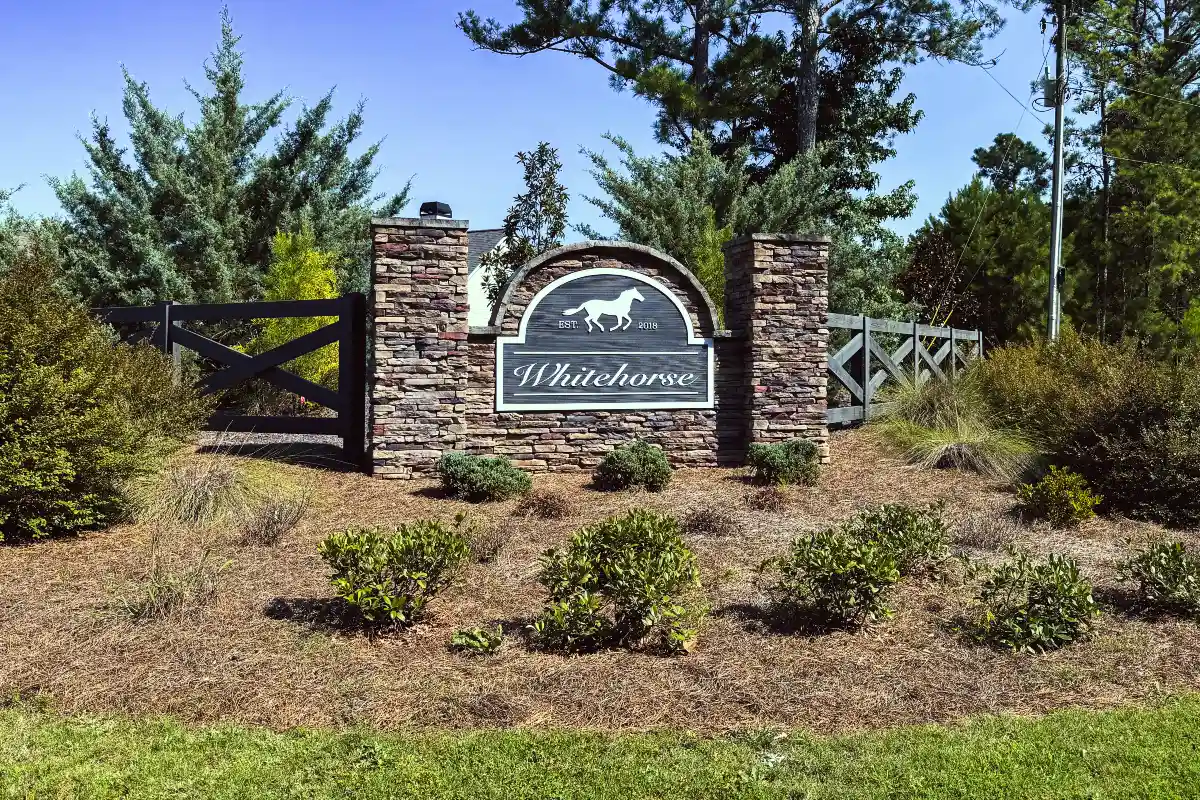
Stone entrance sign at Whitehorse, a new construction community in Williamson, Georgia

New Construction

Building New at Whitehorse

Whitehorse in Williamson is where Pike County’s new construction lives right now.

The community is built by David Lindsey Homes, and I’ve worked these lots and floor plans enough to tell you which ones I’d pick and why. New construction has its own process — contracts written by the builder’s attorney, selections, walk-throughs, and a timeline that behaves like a timeline until it doesn’t. Buyers who walk into a model home unrepresented are negotiating against professionals, alone.

See Whitehorse →

55 and Looking

The Sun City Peachtree Discovery

A lot of buyers over 55 don’t start out looking for Sun City Peachtree — they find it.

They come to me looking at Pike, Spalding, or Lamar because their kids and grandkids are here, and somewhere in that search they discover there’s a version of this move where they get both: [VERIFY: drive time, e.g. 20–40 minutes] from family, and a community full of people at the same stage of life, with the same hobbies, the same pace, and something bigger to be part of than a subdivision with a nice entrance.

I helped establish the Sun City Peachtree resale market and I’ve been working it longer than most agents who show homes there. If the active-adult version of this move is even a maybe for you, it’s worth a real look before you buy the ranch on two acres and mow it alone.

See Sun City Peachtree →

Waterfall and stone entrance sign at Sun City Peachtree, a Del Webb active adult community in Griffin, Georgia

Hand-Picked, Not Auto-Sent

The Curated Home List

Portal alerts send you everything that vaguely matches. I send you homes worth your time.

Tell me what you’re looking for — towns, acreage, price, the things you won’t bend on — and I send you hand-picked homes with my honest take attached: where the price sits against real comps, what the photos aren’t showing, what I’d ask about first. No drip campaign. No “just checking in” calls.

Get the Curated Home List →

No obligation, and no cost. It’s also how most of my buyer relationships start.

Straight Answers

Buyer Questions, Answered

Do you actually work with buyers?

Yes — selectively. Most of my buyer clients are sellers who are also buying, past clients, and referrals, plus buyers who want real representation rather than a door-opener. I don’t take every buyer, and I’ll tell you quickly and honestly whether the fit is there. I’d rather say no upfront than do mediocre work.

Whose side are you on if I want one of your listings?

The seller’s — and here’s why that’s still worth knowing. I work for the seller, but I owe you honesty and fairness regardless, and that isn’t a courtesy. It’s the standard. So before we go further, I’ll sit down and explain what representation actually is, what it isn’t, and what it costs — the money conversation most agents avoid having. Then you decide whether representation is worth it for you, or whether you’re better off without it on this particular purchase. I’m not taking an option away from you. I’m making sure you know you have one.

What does buyer representation cost me?

It depends on the transaction, and I put every number in writing before you sign anything. What I can promise: no surprise fees, no vague “we’ll work it out later,” and a written agreement that says exactly who pays what. If the math doesn’t make sense for you, I’ll say so.

What is the curated home list?

Tell me what you’re looking for — towns, acreage, price, must-haves. I send you hand-picked homes with my feedback on each: the comps, the flaws, the catch. It’s the opposite of a portal alert. No obligation, and it’s often how my buyer relationships start. Here’s how it works.

Before You Go

You Know What to Ask Now

That puts you ahead of most buyers walking into most houses. Start with what’s actually available — and if something looks right, you know where to find me.

See My Current Listings →

Building new? New construction at Whitehorse  ·  Not ready to look yet? Get the curated home list